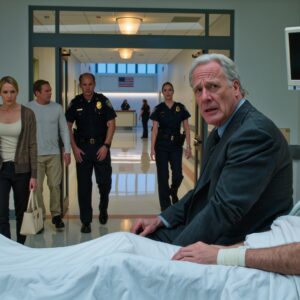
In the days after, the city moved in slow motion, like it was walking through the smoke that never quite cleared. Names were read from crumpled papers, faces printed on flyers, candles arranged on corners where the blood had already been washed away. Grief became a ritual, familiar and unbearable, while the people tasked with protecting the living argued over who had failed the dead.
Mayor Brandon Johnson’s order to cut police cooperation with federal authorities turned every microphone into a weapon. Some called it courage, a refusal to surrender the city’s autonomy; others called it sabotage in a war already being lost. Federal officials pointed at crime graphs, local leaders pointed at history, and each side swore they alone held the cure. But in the quiet between sirens, Chicago heard the lie: nothing changes until someone decides the victims are more than a backdrop.