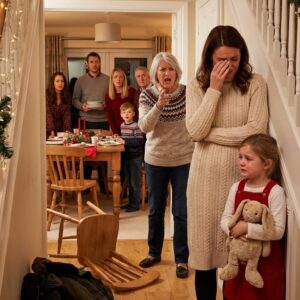
In the end, what lingers most from her story is not a single medical milestone or dramatic turning point, but the steady, unvarnished honesty with which she describes each stage of illness. She neither glorifies suffering nor pretends that courage erases fear. Instead, she allows both terror and tenderness to sit side by side, acknowledging that the body’s fight for survival is only part of what it means to keep living and loving.
Her reflections on family deepen this understanding, revealing how illness reshapes love without diminishing it. She grapples with guilt toward her mother, protectiveness toward her children, and gratitude for her husband’s steadfast presence, recognizing that each relationship bears its own weight of hope and dread. By refusing easy resolutions, she makes space for a quieter, more sustainable kind of meaning—one found in brief moments of connection, shared laughter in sterile rooms, and the decision to remain open-hearted amid uncertainty.