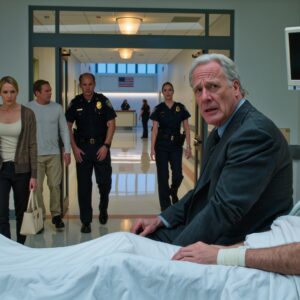
On that Minneapolis night, Jonathan Ross wasn’t looking for a fight; he was trying to survive one. The city pulsed with sirens and smoke, the air thick with anger and exhaustion. His training told him to scan, assess, control. His memories whispered of ambushes, of bodies, of the day his own blood slicked the pavement because someone decided laws didn’t apply to them. Every shadow felt like a test he couldn’t afford to fail.
When Renee Nicole Good fell, no one paused long enough to hear the echo between their stories. Commentators rushed in where silence should have been, turning a single gunshot into a weapon of narrative. Yet away from the noise, there are children asking why, spouses staring at empty chairs, parents replaying last conversations. The question that lingers is not only who was right, but whether a country this fractured can still recognize tragedy without first demanding a verdict.