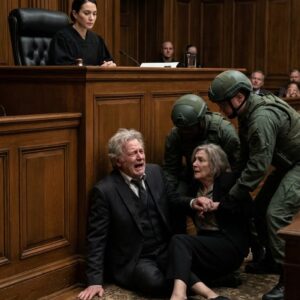
In a single opinion, the Court did more than interpret law; it reset the balance between compassion and control. By casting Temporary Protected Status as a reversible policy tool rather than a binding humanitarian commitment, the majority signaled that safety can be conditional, even when lives are already rooted in American soil. The ruling’s bipartisan alignment only deepened the sense of disorientation, leaving Justice Jackson’s lone dissent as both legal argument and moral marker.
For those affected, the consequences arrive not as abstract doctrine but as late-night conversations, hurried plans, and the quiet terror of a knock at the door. Years of work, mortgages, school drop-offs, and neighborhood ties now sit on an invisible timer. To some, this is a necessary reclaiming of border authority. To others, it is the moment mercy became negotiable—and negotiable meant expendable.