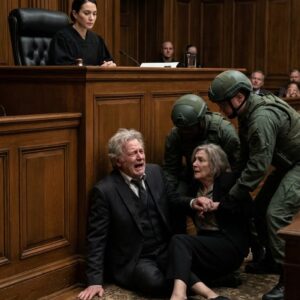
What lingers after the headlines is not just outrage, but a hollow, familiar ache: the sense that the rules are written in invisible ink, legible only to those who enforce them. In New York, the council aide’s faith in process became the very pathway to his disappearance, a reminder that “doing everything right” is often a story told by people who never had to prove they belonged. His case exposes a painful truth for sanctuary cities: they can offer solidarity, but not sovereignty, and the border can be quietly redrawn inside any waiting room.
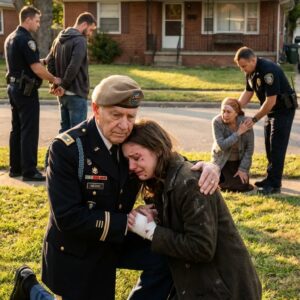
In Minneapolis, Renee Good’s death crystallizes another reality—that resistance, however defiant or messy, is often met not with negotiation but with force. Her final seconds, replayed endlessly, reduce a life to a frame-by-frame justification. Together, these stories reveal a country where safety is conditional, belonging is provisional, and the burden of proving humanity never seems to end.