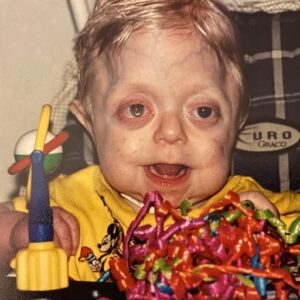
He arrived into a room full of machines and murmurs, not lullabies. I never heard his first cry because there wasn’t one, never counted his fingers or memorized the curve of his lips. I walked out of the hospital with a body still swaying as if it held him, arms aching with a weight that no one else could see. Grief became my shadow in checkout lines and quiet kitchens, a ghost tugging at the hem of every ordinary moment. Three years later, in a faded parking lot, the nurse who had once pressed tissues into my hands offered something else: an envelope, a photograph, and a way forward.
Her scholarship did not soften the loss; it redirected it. In hospital corridors, I now stand where she once stood, steadying parents whose worlds are splitting open. My son never came home, but he lives in every chart I study, every trembling hand I hold. His short life, and one woman’s decision to name strength where I only saw ruin, turned wreckage into work that matters. Nothing was magically healed. But the broken pieces found a shape that finally felt like purpose.