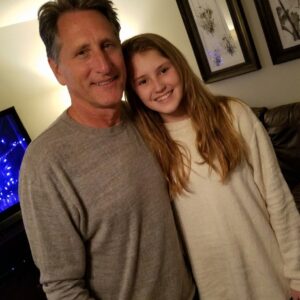
I walked into that ER carrying forty years of medicine and eight months of quiet suspicion. I wasn’t there as a retired surgeon; I was there as the one adult who had listened when her eyes told the truth her mouth could not risk. Every photo of a bruise, every date and time jotted in a notebook, every shift in her clothing and posture had felt, then, like overreaction. In that fluorescent hallway, it became evidence. The orthopedist’s X-rays, the social worker’s notes, the school counselor’s concerns—my records stitched it all together into a pattern no one could dismiss. By 8:09 a.m., a judge’s signature turned hope into custody. She walked out with me, arm in a sling, life abruptly rerouted.
What followed looked ordinary on paper: arraignments, evaluations, therapy, safety plans. But survival hid in smaller details. Months earlier, a mandated reporter had finally slid her a hotline number on a torn scrap of paper—too late to stop every injury, perfectly timed to stop the next. She tucked it inside a textbook, memorized it, waited. On the night her bone gave way, she dialed. I picked up on the first ring because I had promised I would. The law would call what happened after “intervention.” She calls it “the moment someone believed me more than they believed him.” Everything that saved her began with that trust and a phone that shattered the night.